
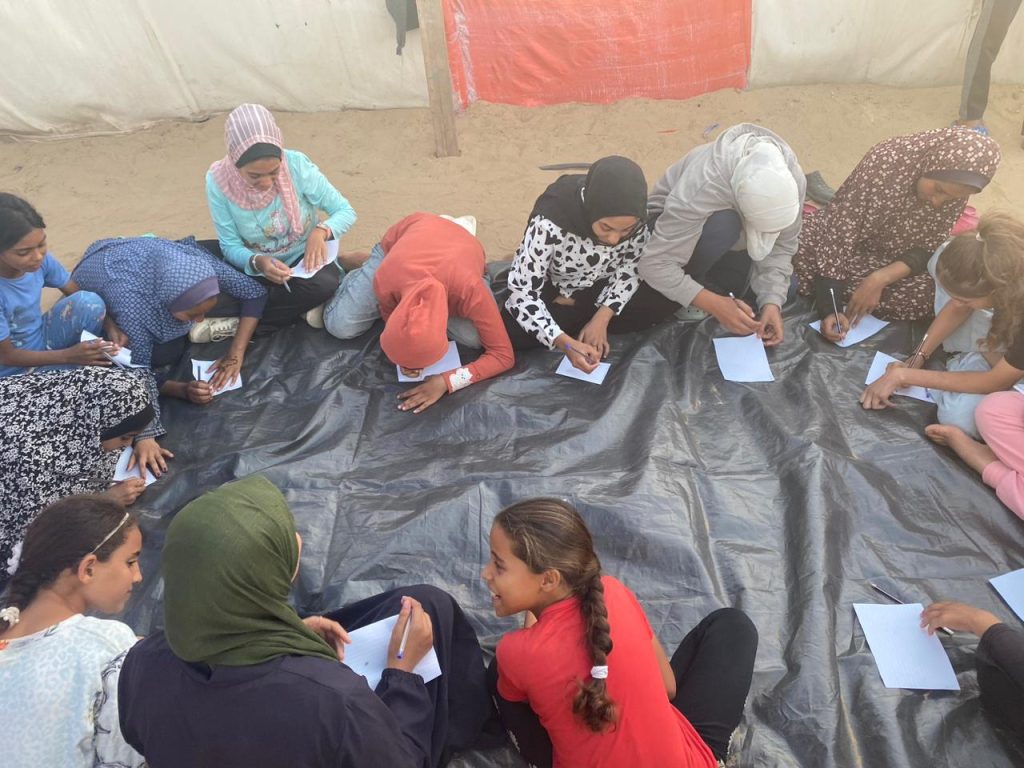
Emergency Aid to 8 refugee camps
Focus: Emergency medical and hygiene aid
Who: 1,951 Palestinians (target)
Where: 8 refugee camps, occupied West Bank, Palestine
When: May 2026 — ongoing
Partner: Alrowwad Cultural and Arts Society with financial support from Danish Emergency Relief Fund
During the early summer, DHIP and Alrowwad have distributed much needed emergency aid to vulnerable people across eight refugee camps in the Occupied West Bank, Palestine.
When the US/Israeli war against Iran broke out in February 2026, the shockwaves reached further than the media coverage suggested. Unlike illegal settlers, Palestinians don’t have access to bomb shelters or warning systems, while the sky is lit up by missiles and fighter jets. Debris from intercepted missiles fell across the Occupied West Bank, killing at least four Palestinians; settler violence exploded following the war’s outbreak, and military assaults carried on relentlessly.
The less visible consequences are even more dangerous; increased movement restrictions, extensive checkpoint closures, and fuel shortages cutting people off from hospitals and pharmacies and disrupting delivery of vital medical supplies. Especially for the ~40,000 forcefully displaced people in the northern part of the Occupied West Bank, this is a disaster. For a child with diabetes, or an elderly person with chronic illness, it means weeks or even months without treatment and an acute risk of irreversible harm.
Together with our partner, Alrowwad Cultural and Arts Society, and with financial support from the Danish Emergency Relief Fund, we have spent the past months procuring and distributing essential medicines, insulin, infant formula, medical assistive devices, and hygiene items to almost 2000 vulnerable people across eight West Bank refugee camps.
Alrowwad is the ideal partner for this work. Founded in Aida Refugee Camp over two decades ago, its staff are themselves refugees from the communities they serve. The organisation has an extensive network within the camps and a high degree of trust from the community, which means that they can reach vulnerable people that international actors often can’t.
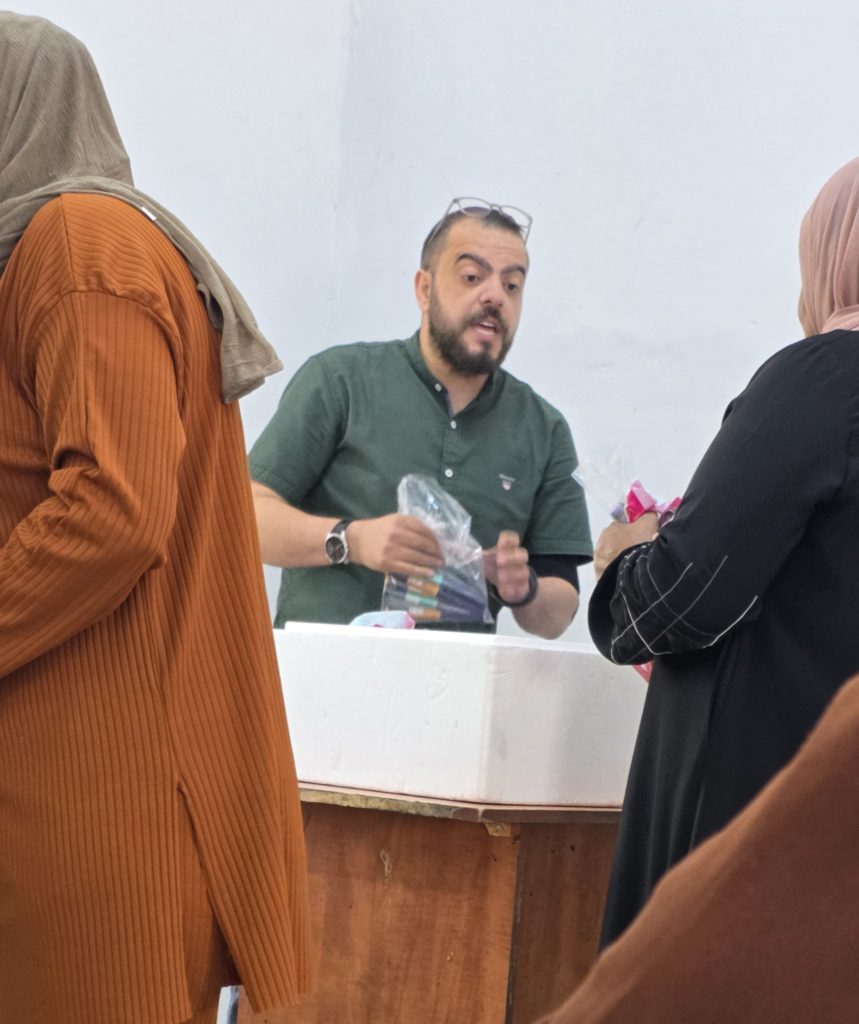
What we do together
DHIP and Alrowwad have previously collaborated on distribution of emergency aid, when we at the end of 2025 reached hundreds of forcefully displaced people in Jenin and Tulkarm with medicine, infant formula, and winter kits. This distribution, entirely made possible by donations from Danes, directly paved the way for the current large-scale emergency intervention.
Why do two organisations rooted in art and culture find themselves distributing insulin and medical supplies? It’s a reasonable question. The answer is that in Palestine, the line between the two isn’t as clean as it may look from the outside. A community under occupation doesn’t get the privilege to separate its need for medicine from its need for a narrative or a space to reflect and be heard. And when checkpoints close and fuel is scarce, the same trust, the same local knowledge, and the same people who run a children’s theater programme are the ones who know exactly which family needs insulin or diapers this week.
While DHIP will always be centering its work around culture and arts, emergency response has become a growing part of what we do. Not instead of culture, but because of it. Because cultural survival and physical survival are not separate missions; they are the same one, seen at different moments of urgency.
Project activities
- Distribution of essential medical aid
- Distribution of insulin
- Distribution of medical assistive devices
- Distribution of infant formula, diapers, and hygiene items
- to vulnerable communities across eight refugee camps (Aida, Dheisheh, Al-Fawwar, Balata, Tulkarm, Nur Shams, Jenin, Ain al-Sultan) in the Occupied West Bank
People-to-people solidarity
The next family who needs urgent medical aid depends on what we raise today. Become a monthly donor and support our work in Palestine.